Faster Than Cauli Rice: Make Jicama Rice with No Cooking Needed
In the quest for healthier, low-carb alternatives, cauliflower rice has long held the crown. It’s been the go-to for those looking to cut down on carbohydrates without sacrificing the comforting presence of a rice-like base. However, a new contender has emerged, offering not only a superior flavor and texture but also an unbeatable advantage:
no cooking required. Prepare to meet your new favorite low-carb staple:
jicama rice.
This revolutionary rice alternative is transforming kitchens with its incredible ease of preparation, refreshing crunch, and versatile flavor profile. Forget the fuss of steaming, sautéing, or dealing with the distinctive aroma of cauliflower. Jicama rice takes mere minutes to prepare, making it the ultimate game-changer for quick, healthy meals. If you’re ready to ditch the lengthy prep and embrace a truly effortless low-carb solution, keep reading to discover how this humble root vegetable will redefine your culinary routine.
What Makes Jicama Rice the Ultimate Low-Carb Game-Changer?
Jicama rice isn't just another low-carb fad; it's a genuine innovation that addresses many of the common complaints associated with traditional rice alternatives. Its unique properties make it a standout choice for anyone seeking convenience, superior taste, and impressive nutritional benefits.
Beyond the Bland: Flavor and Texture that Delivers
At the heart of jicama rice's appeal is the jicama itself – a fascinating root vegetable often referred to as a "Mexican potato" or "turnip." Unlike the often-mushy and distinctively flavored cauliflower, jicama boasts a firm, crunchy, and juicy texture that’s wonderfully satisfying. Imagine a delightful cross between a crisp apple and a mild potato, with a subtle sweetness that never overpowers. This natural sweetness is a culinary superpower, creating a refreshing base that beautifully complements a wide array of savory, spicy, and tangy dishes. When grated, jicama maintains its crispness, offering a textural experience far more akin to traditional rice than many other substitutes. This inherent crunch adds a delightful element to meals, transforming what might otherwise be a soft dish into an exciting textural adventure.
The Nutritional Edge: Jicama vs. Traditional Rice
For those closely monitoring their carbohydrate intake, the numbers speak for themselves. A single cup of jicama rice contains an impressive
5 net carbs. Compare this to a staggering 43 net carbs in a cup of white rice, and the difference is monumental. But jicama offers more than just a low-carb count. It's also packed with dietary fiber – approximately 6 grams per cup. This significant fiber content not only aids digestion but also contributes to feelings of fullness, helping you stay satisfied for longer. Beyond its fiber and low-carb profile, jicama is a good source of Vitamin C, an essential antioxidant, and potassium, important for heart health. It also contains inulin, a prebiotic fiber that supports gut health. This robust nutritional profile makes jicama rice a smarter choice for overall well-being.
The Unbeatable Speed Advantage: No Cooking Required!
Perhaps the most revolutionary aspect of jicama rice is its effortless preparation. Unlike almost every other rice alternative,
jicama rice requires absolutely no cooking. This is a massive time-saver, particularly for busy weeknights or when you're looking for a quick, fresh meal. While cauliflower rice often needs to be steamed or sautéed to soften and remove moisture, jicama is ready to serve the moment it’s prepped. This makes it an ideal choice for raw food enthusiasts, hot summer days, or anyone who simply appreciates the beauty of minimal effort. Just peel, grate, and you’re practically done. For a deeper dive into why jicama is outshining its competitors, you might find this article insightful:
Jicama Rice: The Low-Carb Alternative Outperforming Cauliflower.
Mastering Jicama Rice: Your Step-by-Step Guide to No-Cook Perfection
Creating perfect jicama rice is surprisingly simple, requiring minimal equipment and just a few key steps. The beauty lies in its simplicity and the freedom from heat.
Ingredient Prep: Starting with the Right Jicama
The journey to delicious jicama rice begins with selecting the best root vegetable. Look for jicama that is firm, unblemished, and free of soft spots or cracks. Its skin is thick and inedible, so the first step will always be peeling. Use a sturdy vegetable peeler or a sharp knife to remove the tough outer layer, revealing the crisp, white flesh underneath. Be thorough, as any remaining skin can be bitter.
Ricing Methods: Grater vs. Food Processor
You have a couple of excellent options for transforming peeled jicama into rice-like pieces:
*
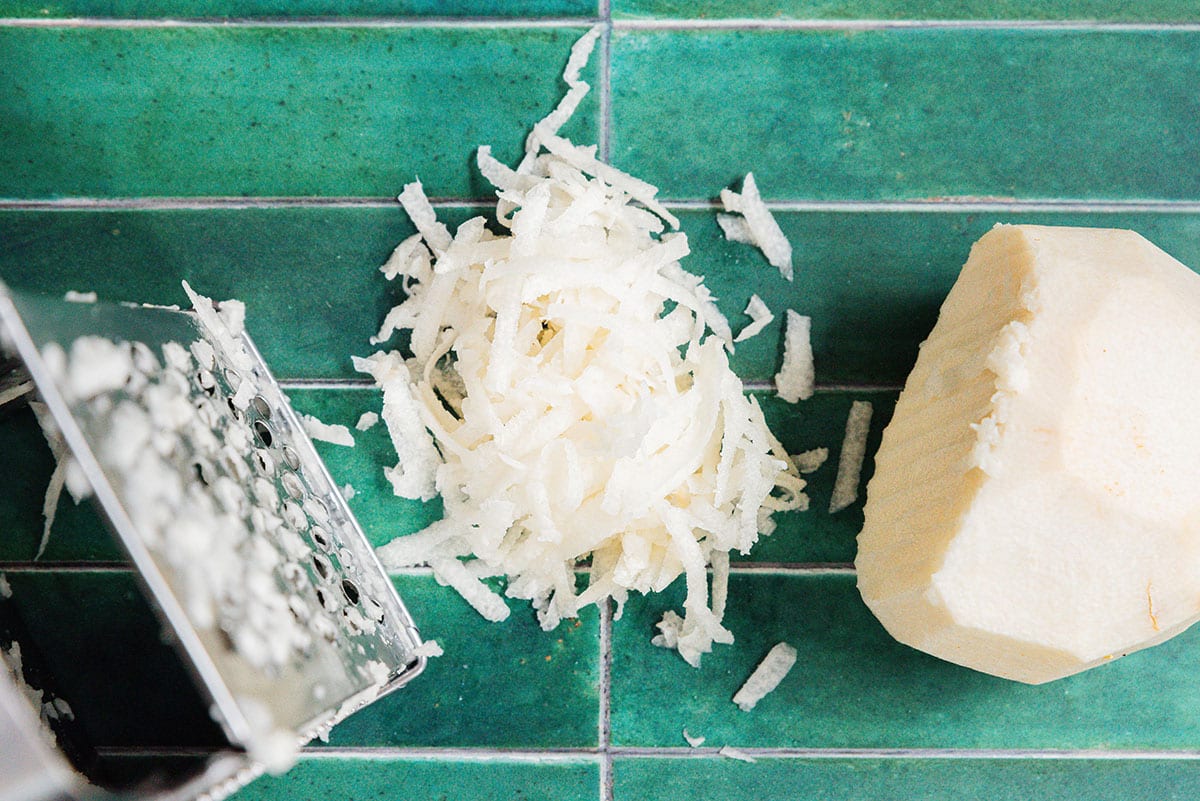
The Box Grater: This common kitchen tool is perfectly adequate. Simply use the large holes of a standard cheese grater to shred the jicama into fine pieces. While these might look more like shreds than grains, the texture is remarkably close to rice once combined with other ingredients. It’s an accessible method that requires no special equipment.
*
The Food Processor (Preferred Method): For the most uniform, rice-like texture, a food processor is your best friend. Cut the peeled jicama into 1-2 inch chunks. Place them into the bowl of a 12-cup (or larger) food processor. Secure the lid and pulse several times. The key here is *pulsing* – short bursts – rather than continuous blending. This allows you to control the consistency, preventing the jicama from turning into a paste. Stop when the pieces resemble grains of rice. If you notice any slightly stringy bits (a common occurrence with root vegetables), a quick chop with a knife after processing can refine the texture further, making it even more rice-like.
The Crucial Step: Drying for Optimal Texture
Jicama, much like an apple, has a high water content. While this contributes to its refreshing juiciness, excess moisture can make your jicama rice watery, especially if you plan to use it in bowls or for sushi. Drying the grated jicama is a crucial step for achieving the best possible texture and allowing it to absorb other flavors more effectively.
Transfer your riced jicama to a thin, clean dishtowel or a stack of paper towels. Gather the edges and gently but firmly squeeze out as much liquid as possible. You'll be surprised how much moisture comes out! You can do this over a sink, or over a bowl if you wish to save the liquid. Some people enjoy saving the slightly sweet jicama juice to spice with cinnamon for a hydrating drink – an excellent way to minimize waste and add extra value. Once dried, your jicama rice is ready to use immediately; no cooking is required!
Beyond the Bowl: Creative Ways to Use Your Jicama Rice
The true magic of jicama rice lies in its versatility. Its mild, slightly sweet profile and crisp texture make it an incredible foundation for a myriad of dishes, proving that low-carb doesn't mean sacrificing flavor or excitement.
Pairing Perfection: Complementing Jicama's Subtle Sweetness
Jicama’s inherent subtle sweetness isn't a drawback; it's an asset. This characteristic pairs exceptionally well with strong, vibrant flavors – think acidic, spicy, tangy, or salty. It acts as a cooling counterpoint to heat and a refreshing contrast to richness.
*
Thai-Inspired Dishes: Its crunch and sweetness are sublime with the complex, aromatic profiles of Thai curries, especially green curry, where the heat and acidity are beautifully balanced.
*
Mexican Cuisine: Use it as a base for vibrant taco bowls, burritos, or as a fresh alternative to traditional rice in fajita platters. Its crispness adds an exciting dimension to seasoned meats and fresh salsas.
*
Poke Bowls & Sushi: For sushi, simply season your dried jicama rice with a touch of rice vinegar, a pinch of salt, and a dash of sweetener for a raw, low-carb "sushi rice" experience. It’s also fantastic as the base for vibrant poke bowls, providing a fresh crunch against raw fish and creamy avocado.
*
Stir-fries and Salad Bases: While it doesn't get cooked *with* a stir-fry, adding jicama rice *after* cooking can provide an incredible fresh counterpoint. It also makes an amazing base for any salad, adding volume, crunch, and a hydrating element without heavy carbs.
Innovative Applications and Meal Prep Hacks
Jicama rice opens up a world of culinary creativity, especially for those who appreciate efficient meal prep.
*
Fresh Salad Base: Replace lettuce with jicama rice for a heartier, crunchier salad. It holds up well to dressings and other ingredients without wilting.
*
Wraps and Tacos: Use it as a filling in lettuce wraps or low-carb tortillas, offering a satisfying crunch and freshness that can lighten up heavier fillings.
*
Deconstructed Sushi Bowls: Layer seasoned jicama rice with seaweed, avocado, cucumber, and your favorite protein for an easy, healthy sushi experience without the rolling.
*
Meal Prep Powerhouse: Prepare a larger batch of jicama rice at the beginning of the week. Store it in an airtight container in the refrigerator for up to 3-5 days. This makes assembly for quick lunches and dinners incredibly fast.
* For more inspiration on how to seamlessly integrate this versatile ingredient into your diet, explore
Your Guide to Jicama Rice: Easy Prep for Sweet & Savory Meals.
Troubleshooting and Tips for Jicama Rice Success
While jicama rice is remarkably straightforward, a few insider tips can elevate your experience and ensure consistently perfect results.
Avoiding the "Stringy" Dilemma
If you find your grated jicama rice a bit stringy, especially when using a box grater, a quick fix is in order. After grating, take a moment to coarsely chop the pile of jicama with a knife. This breaks up any longer strands, resulting in a more uniform, rice-like texture that feels more authentic. When using a food processor, remember the power of *pulsing* – over-processing is the enemy of distinct rice-like grains.
Flavor Infusion and Seasoning
One of jicama rice's strengths is its ability to absorb and carry flavors. Once you've dried your jicama rice, it's a blank canvas ready for your culinary artistry. Don't be shy about seasoning it well! A simple sprinkle of salt and pepper can enhance its natural taste. For specific cuisines, consider:
*
Asian: A drizzle of soy sauce or tamari, a hint of sesame oil, and some rice vinegar.
*
Mexican: Lime juice, fresh cilantro, and a pinch of chili powder.
*
Mediterranean: Olive oil, lemon juice, fresh parsley, and a touch of oregano.
These additions transform the jicama rice into a flavorful component that perfectly complements your main dish.
Storage Best Practices
To keep your prepared jicama rice fresh and crisp, store it in an airtight container in the refrigerator. Ensure it's as dry as possible before storing to prevent it from becoming soggy. Properly stored, it will maintain its quality for 3-5 days, making it an excellent component for your weekly meal prep. If you notice any excess moisture accumulating at the bottom of the container during storage, simply drain it before serving.
Conclusion
Jicama rice isn't just a low-carb alternative; it's a culinary revelation. With its superior flavor, satisfying crunch, impressive nutritional profile, and most notably, its no-cook preparation, it unequivocally outperforms traditional cauliflower rice. It offers a refreshing, versatile base for an endless array of dishes, from spicy curries to fresh sushi bowls, all while saving you precious time in the kitchen. Embrace the simplicity and deliciousness of jicama rice, and unlock a world of effortless, healthy eating. Your taste buds, and your waistline, will thank you.