The Delicious Secret: Why Jicama Rice is Your Next Low-Carb Staple
Are you searching for a delicious, healthy, and incredibly versatile alternative to traditional rice? Look no further than jicama rice! This unassuming root vegetable, often called a Mexican potato or turnip, is quickly gaining popularity as a game-changer for anyone looking to reduce their carbohydrate intake without sacrificing flavor or texture. Forget bland, watery imitations – jicama rice brings a refreshing crunch and a subtle sweetness that truly elevates your meals, transforming everything from savory curries to vibrant sushi bowls.
For years, cauliflower rice has held the crown as the go-to low-carb rice substitute. While admirable in its versatility, it often requires cooking and can sometimes leave a lingering "cauliflower" aroma. Enter jicama rice, a truly unique option that is not only easier to prepare but also offers a distinct flavor profile that stands out. Imagine a rice alternative that’s ready in minutes, often requires no cooking, and boasts a mere 5 net carbs per cup compared to the 43 net carbs found in a standard cup of white rice. That's the power of jicama rice!
The Rise of Jicama Rice: A Superior Low-Carb Alternative
Jicama is a fascinating root vegetable with a thick, inedible brown peel and crisp, white flesh. Its texture is often described as a delightful cross between a potato and an apple, offering a satisfying crunch and juiciness. Its flavor is mildly sweet, making it exceptionally adaptable to a wide array of culinary pairings. While it's been a staple in Mexican cuisine for centuries, its recognition in the U.S. has surged thanks to its impressive nutritional profile and versatility as a low-carb substitute.
What makes jicama rice truly shine, especially when compared to its low-carb predecessors like cauliflower rice?
- Unmatched Carb Savings: The statistics speak for themselves. A single cup of jicama rice contains approximately 11 grams of total carbohydrates, but with a remarkable 6 grams of dietary fiber, it delivers only 5 net carbs. This is a significant win for anyone following ketogenic, paleo, or simply low-carb diets.
- Effortless Preparation: One of the biggest advantages is its ease of creation. Unlike cauliflower rice, which often requires specific equipment or a bit of a messy process, jicama rice can be made with a standard box grater or a food processor. This simplicity means you can have a fresh batch ready in mere minutes.
- Delightful Flavor Profile: The mild, slightly sweet taste of jicama is a true asset. It doesn't overpower your dishes but rather provides a harmonious base. This subtle sweetness beautifully complements acidic, spicy, or salty ingredients, making it an ideal partner for vibrant, globally-inspired recipes.
- Crisp, Refreshing Texture: Its inherent crunch and juiciness provide a satisfying mouthfeel that traditional rice can't replicate. This unique texture adds a refreshing element to warm dishes and makes it an incredible addition to salads and bowls.
If you're curious to dive deeper into how jicama rice truly outshines its counterparts, check out our detailed comparison: Jicama Rice: The Low-Carb Alternative Outperforming Cauliflower.
Mastering Jicama Rice: Simple Steps for Perfect Texture and Taste
Making jicama rice is incredibly straightforward, requiring just one ingredient and basic kitchen tools. The key to success lies in understanding the unique properties of jicama and following a few simple steps to achieve the perfect "rice" texture.
Prepping Your Jicama
First things first, you'll need a fresh jicama. Look for one that's firm, free of blemishes, and feels heavy for its size. The outer peel of jicama is tough and inedible, so the first step is always to remove it. A sturdy vegetable peeler or a sharp paring knife works best. Once peeled, you can cut the jicama into manageable chunks, especially if you plan to use a food processor.
Grating or Processing for the Ideal "Rice"
You have two primary methods for transforming your jicama chunks into rice-like pieces:
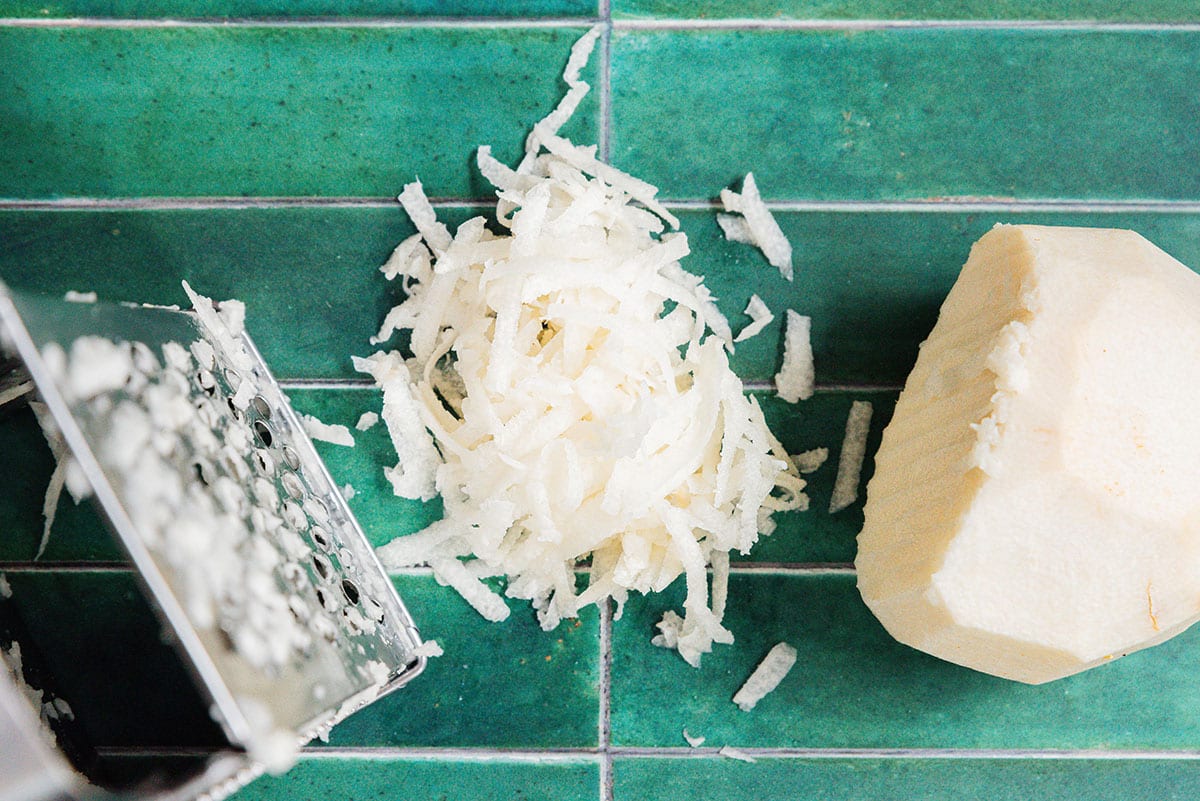
- Using a Box Grater: This is the simplest method and requires no special equipment. Using the largest holes of a standard box grater (often labeled for cheese), grate the peeled jicama chunks. You'll end up with thin shreds that, while not identical to grains of rice, have a wonderfully similar texture when combined with other ingredients.
- Using a Food Processor: For a more uniform, rice-like consistency, a food processor is often preferred. Cut your peeled jicama into 1-2 inch chunks. Place them into the bowl of a 12-cup food processor (don't overcrowd it, work in batches if necessary). Secure the lid and pulse several times until the jicama reaches a texture resembling rice. Be careful not to over-process, as you want distinct "grains," not a puree.
Expert Tip: After grating or processing, some chefs recommend a quick chop of the riced jicama. This extra step helps to break down any longer shreds, preventing a slightly stringy texture and making it even more akin to traditional rice in consistency.
Drying for Optimal Results
Jicama has a high water content, similar to an apple. For the best texture, especially if you're using it in dishes where excess moisture could be an issue (like sushi or stir-fries), drying is a crucial step.
- Paper Towels: Spread the riced jicama on a layer of paper towels and gently pat dry with more paper towels.
- Thin Dish Towel: For more thorough drying, transfer the riced jicama to the center of a clean, thin dishtowel. Gather the corners of the towel and twist firmly, squeezing out as much liquid as possible over a sink or a bowl. You'll be surprised how much moisture comes out! (Bonus: The squeezed liquid can be saved and spiced with cinnamon for a refreshing drink!)
To Cook or Not to Cook?
One of the most impressive features of jicama rice is that it truly is a faster-than-cauli rice that requires no cooking! For many applications, particularly in bowls, salads, or as a refreshing side, it's ready to use immediately after preparation and drying. The natural crunch and juiciness are part of its charm. However, if you prefer a slightly softer texture or wish to infuse it with flavors, a quick sauté is an option:
- Lightly Cooked Method: Heat a skillet over medium heat. Add the dried jicama rice (and a tiny bit of oil or butter if desired). Sauté for 3-5 minutes, stirring frequently, just enough to release any residual moisture and lightly soften it, without losing its characteristic crunch. This method works well when you want it to absorb a sauce more readily.
Elevating Your Meals: Pairing Jicama Rice with Sweet and Savory Dishes
The beauty of jicama rice lies in its incredible versatility. Its mild, subtly sweet flavor profile makes it an ideal canvas for a vast array of cuisines and dishes. Don't be limited by thinking of it only as a "rice" substitute; consider it a unique ingredient that brings freshness, crunch, and nutritional value to any meal.
Here are some inspiring ways to incorporate jicama rice into your diet:
- Global Curries & Stir-Fries: The slight sweetness of jicama rice is a phenomenal counterpoint to the rich, spicy, and aromatic flavors of Thai green curries, Indian masalas, or vibrant Asian stir-fries. It absorbs the sauce beautifully without becoming soggy, offering a refreshing textural contrast.
- Refreshing Bowls: Whether it's a poke bowl, a deconstructed sushi bowl, or a build-your-own Buddha bowl, jicama rice provides a fantastic base. Its crispness pairs wonderfully with fresh vegetables, grilled proteins, and creamy dressings. It’s also an excellent choice for making low-carb sushi rolls where the no-cook aspect is a huge time-saver.
- Taco & Burrito Alternatives: Ditch the high-carb tortillas and use jicama rice in your taco or burrito bowls. Its crunch adds an exciting dimension to seasoned ground meats, beans (if allowed on your diet), salsa, and avocado.
- Vibrant Salads: Sprinkle jicama rice into any salad for an instant boost of crunch and freshness. It's particularly good in slaw-style salads or mixed green salads with a zesty vinaigrette.
- Savory Sides: Seasoned simply with salt, pepper, and a squeeze of lime, jicama rice makes a light and hydrating side dish for grilled fish, chicken, or steak.
- Creative Appetizers: Think outside the box! You can press well-dried jicama rice into small patties and lightly pan-fry them for a unique "fritter," or even use it as a base for mini low-carb "tostadas."
When pairing, remember the rule of complementary flavors: the sweetness of jicama naturally balances salty, tangy, and spicy elements. Don't be afraid to experiment with your favorite seasonings – a dash of cumin for a Mexican flair, fresh herbs for a Mediterranean touch, or sesame oil and soy sauce for an Asian-inspired dish.
Beyond the Basics: Expert Tips for Jicama Rice Success
To truly master jicama rice and make it a regular part of your healthy eating routine, consider these pro tips that go beyond the basic preparation:
- Texture is Key: While a box grater is easy, for the most rice-like texture, a food processor is ideal. But remember the extra step: a quick hand-chop of the processed jicama can prevent any stringiness and further refine the texture to mimic traditional rice grains.
- Don't Skimp on Drying: This cannot be stressed enough. Jicama's high water content means thorough drying is paramount for preventing a watery dish. Whether you use paper towels or a dish towel, squeeze out every last drop of excess moisture. This improves the texture and allows the jicama to better absorb other flavors.
- Embrace the Sweetness: Instead of trying to mask jicama's subtle sweetness, learn to leverage it. It's an excellent ingredient for balancing intense flavors. Consider it when making dishes with bold spices, tangy citrus, or savory umami notes. It provides a refreshing break on the palate.
- Seasoning Strategy: If you're using jicama rice raw, season it lightly just before serving to maintain its crispness. For cooked applications, you can add seasonings during the quick sauté to allow the flavors to meld. A simple sprinkle of salt and pepper, a squeeze of lime juice, or a hint of garlic powder often suffices.
- Storage Savvy: Prepared jicama rice can be stored in an airtight container in the refrigerator for 3-5 days. It's a fantastic meal prep component, allowing you to whip up quick, healthy meals throughout the week.
- Nutritional Powerhouse: Beyond its low-carb status, jicama is also a good source of fiber, vitamin C, and other essential nutrients, contributing to digestive health and overall well-being. It's not just a substitute; it's a beneficial food in its own right.
The journey to healthier eating doesn't have to be bland or complicated. Jicama rice stands out as a truly exceptional low-carb alternative, offering a unique combination of ease, versatility, and delicious flavor. Its crisp texture and subtle sweetness make it a refreshing canvas for countless sweet and savory dishes, proving that cutting carbs can be an incredibly flavorful adventure. So, peel, grate, and get ready to transform your meals with this remarkable root vegetable!
