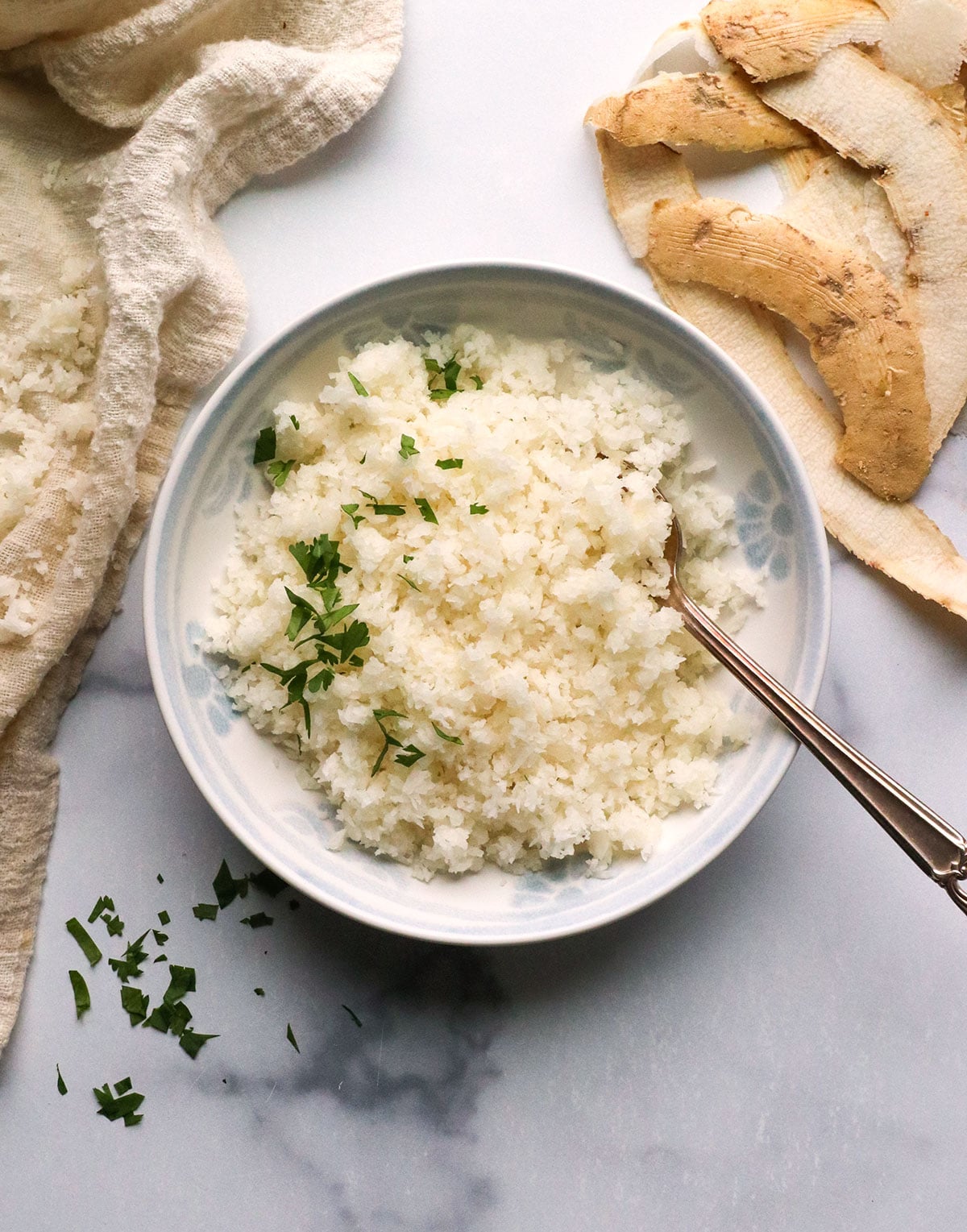
For years, cauliflower rice has held the crown as the go-to low-carb alternative for those seeking to cut down on carbohydrates without sacrificing the texture and versatility of traditional rice. It's a fine option, truly. But what if there was a contender, an underdog, waiting in the wings that not only matches its low-carb credentials but surpasses it in ease of preparation, unique flavor, and adaptability?
Enter jicama rice. This ingenious, single-ingredient marvel is swiftly gaining traction as the superior low-carb rice substitute, ready to revolutionize your meal prep and dining experience. Prepare to discover why this crunchy, subtly sweet root vegetable is outperforming cauliflower in the quest for the perfect rice alternative.
What is Jicama? Unveiling the Mexican Potato
Before we delve into the magic of jicama rice, let's get acquainted with its star ingredient. Jicama, pronounced "hee-ka-ma," is a fascinating root vegetable indigenous to Mexico and Central America. Often dubbed the "Mexican potato" or "Mexican turnip," it boasts a distinctive flavor and texture profile that sets it apart.
Imagine the satisfying crunch of a fresh apple combined with the earthy, starchy notes of a potato – that's jicama. Its flesh is crisp, juicy, and bright white, encased in a tough, inedible brown skin. While it offers a whisper of sweetness, it's far from overpowering, making it an incredibly versatile base for both savory and even some subtly sweet dishes.
The Nutritional Powerhouse: Why Jicama Wins
Beyond its unique sensory appeal, jicama shines as a nutritional superstar, especially for those mindful of their carbohydrate intake. A single cup of traditional white rice can pack upwards of 43 net carbohydrates. In stark contrast, a whole cup of jicama rice delivers an astonishingly low 5 net carbs.
How does it achieve such a dramatic difference? Jicama is rich in dietary fiber. With approximately 11 grams of total carbohydrates per cup and a substantial 6 grams of fiber, the net carb count plummets, making it an ideal choice for keto, paleo, or low-carb lifestyles. This high fiber content isn't just about carb reduction; it also promotes digestive health, aids in satiety, and helps regulate blood sugar levels. It's truly a win-win.
Jicama Rice vs. Cauliflower Rice: A Head-to-Head Battle
For years, cauliflower rice has been the default for low-carb enthusiasts. It's mild, easy to find, and generally gets the job done. However, once you experience jicama rice, you might find yourself reconsidering your go-to. Here’s why jicama is quickly becoming the new favorite:
- Ease of Preparation: This is where jicama truly shines. While cauliflower rice often requires a food processor (which can be messy) or a tedious chopping process, jicama rice is incredibly straightforward. A standard box grater or a food processor with a grating attachment makes quick work of it. Many prefer the food processor for a more uniform "rice-like" texture, but even a simple grater works wonders.
- The "No-Cook" Advantage: One of the most compelling benefits of jicama is its edible raw state. Unlike cauliflower, which typically requires cooking to soften and remove its raw, cruciferous flavor, jicama rice can be enjoyed immediately after preparation. This means less time over the stove and more time savoring your meal. For those hectic weeknights or refreshing meal prep, this is a game-changer. Imagine enjoying sushi bowls or fresh salads without any cooking required for your rice base – it's truly Faster Than Cauli Rice: Make Jicama Rice with No Cooking Needed.
- Superior Flavor Profile: Cauliflower rice is famously mild, which can be a double-edged sword. It takes on other flavors well but often lacks a distinct character of its own. Jicama, on the other hand, offers a light, refreshing, and subtly sweet taste. This inherent sweetness doesn't make it taste like fruit; rather, it creates a magnificent counterpoint to strong, savory, tangy, or spicy dishes. Think Thai curries, vibrant poke bowls, or zesty lime-infused Mexican dishes – jicama’s flavor perfectly complements the heat and acidity.
- Texture That Stands Out: If you've ever had watery or mushy cauliflower rice, you know the disappointment. Jicama maintains its crisp, crunchy texture even when riced. While it does have a high water content (like an apple), this contributes to its juiciness, which can be easily managed by patting dry or squeezing out excess moisture. The result is a satisfying chew that mirrors traditional rice more closely than its cruciferous counterpart.
How to Make Jicama Rice: Simple Steps for a Game-Changing Alternative
Creating your own batch of jicama rice is incredibly simple, requiring minimal equipment and effort. Here's a step-by-step guide:
- Peel the Jicama: First, use a sturdy vegetable peeler or a sharp knife to remove the tough, inedible outer skin of the jicama. Ensure all the brown skin is gone, revealing the pristine white flesh beneath.
- Prepare for Ricing: Cut the peeled jicama into manageable chunks that will fit comfortably into your chosen grating tool.
-
Rice It Up:
- Using a Food Processor: This is the preferred method for a more uniform, rice-like consistency. Place the jicama chunks into a 12-cup food processor bowl. Secure the lid and pulse several times until the jicama reaches a texture resembling grains of rice. Avoid over-processing, which can turn it into a paste.
- Using a Box Grater: If you don't have a food processor, a standard box grater works perfectly. Use the largest holes on your grater to shred the jicama into rice-sized pieces. While they might look more like shreds than distinct grains, the texture will still be fantastic.
- Refine Texture (Optional, but Recommended): For an even more authentic rice texture and to avoid any stringiness, a quick chop after grating or pulsing can make a significant difference. Gather your riced jicama and run a knife through it a few times to break down any longer strands.
-
Manage Moisture: Jicama has a high water content. Depending on your intended use, you might want to address this:
- For Raw Dishes (Salads, Sushi, Bowls): Transfer the riced jicama to a thin dishtowel or a few layers of paper towels. Squeeze out as much excess liquid as possible. This is crucial for maintaining crispness and preventing watery dishes, especially for sushi. You can even save the drained liquid – some enjoy it as a hydrating, subtly sweet drink!
- For Lightly Cooked Dishes (Stir-fries, Warm Bowls): If you plan to warm your jicama rice, a quick sauté in a dry skillet over medium heat for 3-5 minutes will help release moisture and slightly soften it, without making it mushy. No oil is needed initially, as you're primarily drying it out.
- Season and Serve: Your jicama rice is now ready! You can season it simply with salt and pepper, or let it absorb the flavors of your chosen dish. It's incredibly versatile.
Optimizing Your Jicama Rice Experience: Expert Tips & Pairings
To truly unlock the potential of jicama rice, consider these expert tips and pairing suggestions:
- Mind the Texture: As mentioned, a quick chop after grating/pulsing will give you the most "rice-like" texture. If you prefer a slightly stringier, noodle-like feel, skip this step.
-
Pairing Perfection: The subtle sweetness of jicama makes it an outstanding partner for bold flavors.
- Asian-Inspired: Use it as a base for chicken or vegetable stir-fries, under a vibrant green curry, or as the foundation for a spicy tuna poke bowl.
- Mexican & Latin: It's fantastic in taco bowls, burrito bowls, alongside ceviche, or as a refreshing side for grilled fish.
- Mediterranean & Beyond: Don't limit yourself! Try it in a fresh salad with grilled halloumi, olives, and a lemon vinaigrette, or as a cooling counterpoint to heavily spiced lamb or chicken.
For more detailed guidance on how this incredible ingredient can elevate your meals, check out Your Guide to Jicama Rice: Easy Prep for Sweet & Savory Meals.
- Storage: Prepared jicama rice can be stored in an airtight container in the refrigerator for 3-5 days. If you plan to use it raw, squeezing out excess moisture before storage can help maintain its crispness.
Conclusion
The reign of cauliflower rice as the undisputed low-carb champion may be drawing to a close. With its unparalleled ease of preparation, refreshing flavor, satisfying crunch, and incredible nutritional profile, jicama rice offers a compelling alternative that often outperforms its predecessor. Whether you're a seasoned low-carb enthusiast or simply looking for new ways to add healthy, flavorful vegetables to your diet, jicama rice is a versatile, delicious, and convenient option that deserves a prime spot in your kitchen. Say goodbye to carb-heavy meals and hello to the crisp, refreshing revolution that is jicama rice!
